Skip to content
Engineering HAZOP workspace with P&ID, risk review and plant context

Prepare HAZOP studies in a structured way. With AI support, expert review and audit trail.

HAIZOP supports HAZOP teams in the European process industry: capture P&IDs and plant context, prepare deviations as reviewable suggestions, document decisions and export reports. Your team reviews, corrects and approves.

[ 01 ] Practice

Workshop, plant, review

HAIZOP connects plant reality, workshops and software review.

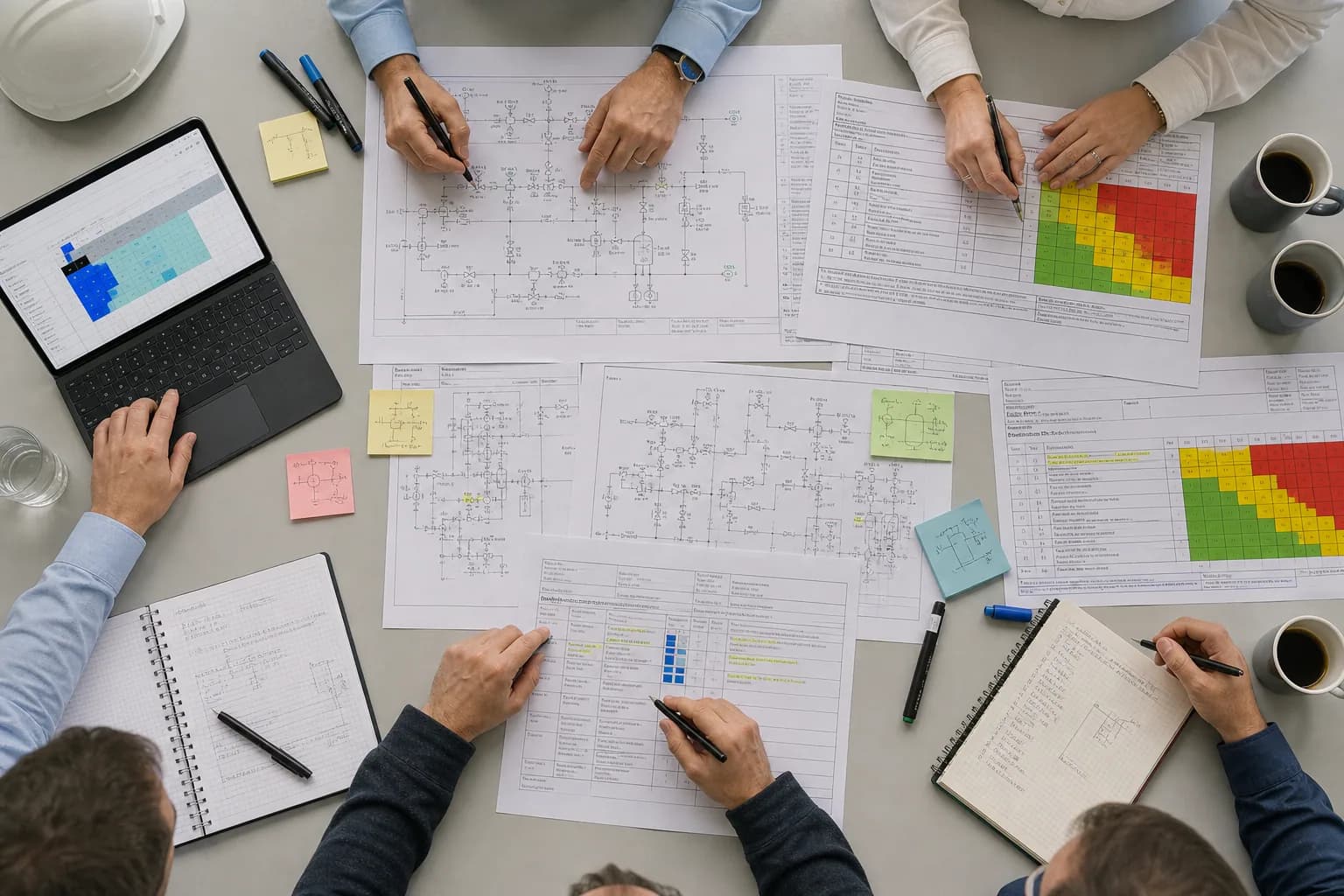
Overhead view of a HAZOP workshop table with hands, P&IDs, HAZOP worksheets, risk matrix, sticky notes and a laptop

Multidisciplinary workshop

AI supports the expert team; it does not replace them.

HAZOP remains a team process across process engineering, operations, maintenance and safety. HAIZOP prepares, structures and documents — the expert assessment stays with the workshop team.

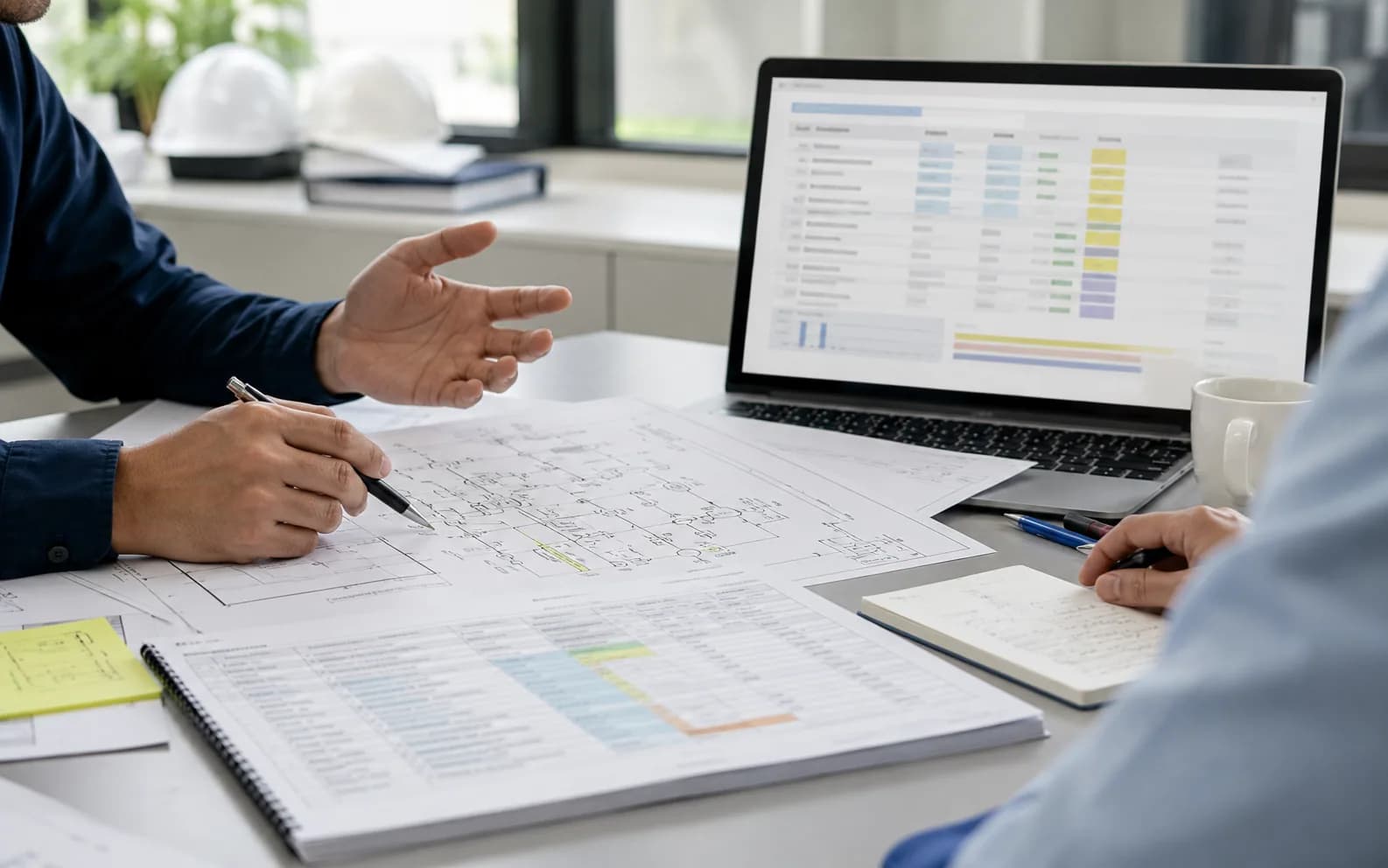
Structured HAZOP documentation with P&ID and digital review view

Documentation

From discussion to audit-ready evidence.

Review decisions remain visible as traceable steps: cause, consequence, safeguard, risk and ownership become part of the structured audit package.

Engineer reviewing technical plant information in an industrial plant environment
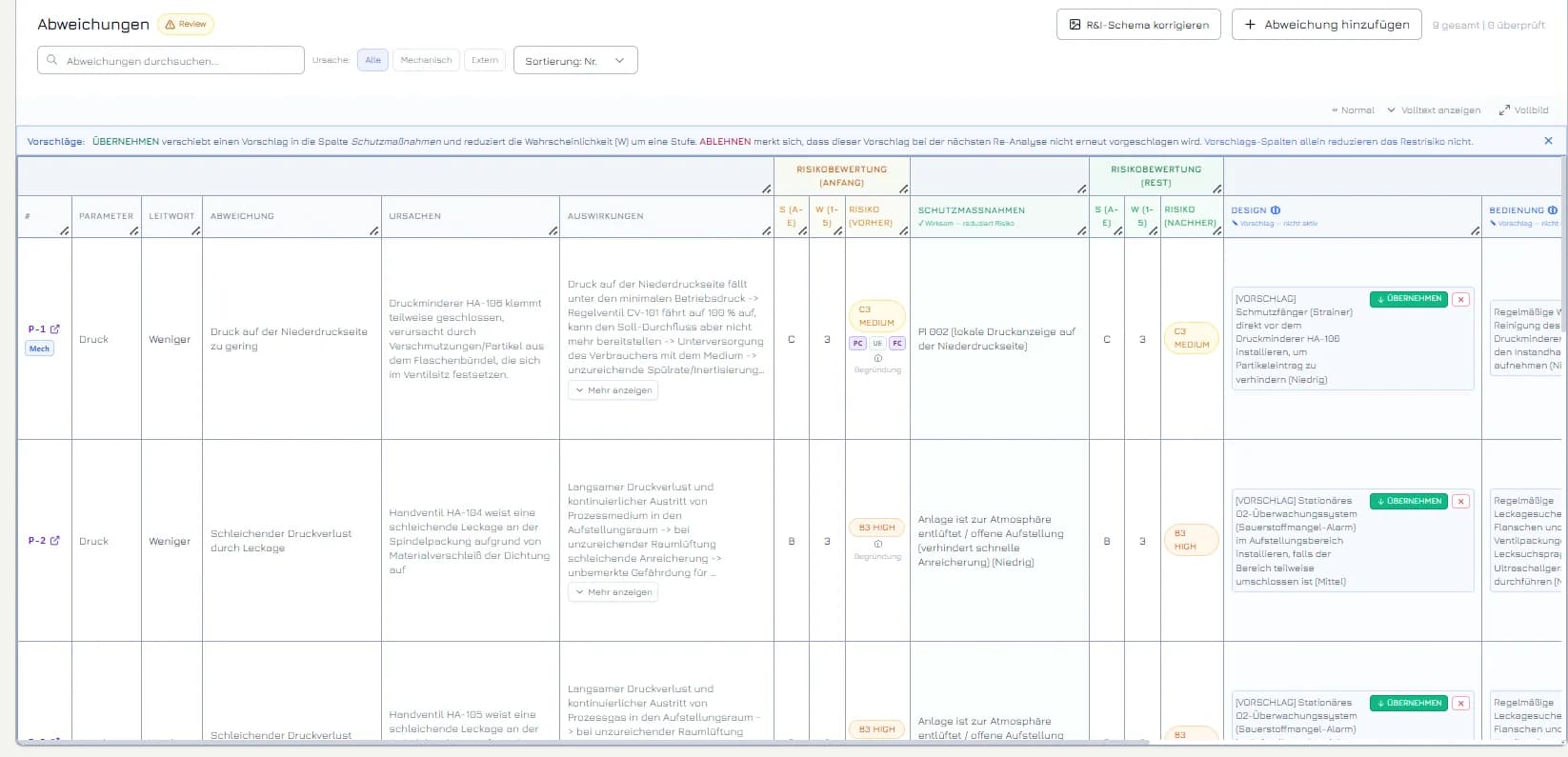
Current HAIZOP view with deviations, causes, consequences, safeguards and risk assessment

Software in the field

Review of P&ID, plant data and regulatory context.

The plant description, P&ID and substance data form the basis for a structured review with relevant regulatory context. Causes, consequences, safeguards and risk assessments remain visible; engineers decide.

StandardsIEC 61882IEC 61508/61511IEC 62443BetrSichVTRBS 2141Seveso IIIATEX

[ 02 ] PAAG method

HAZOP in four disciplined steps

The method stays conservative. HAIZOP makes it easier to run.

The German PAAG wording mirrors the HAZOP workflow: predict deviations, identify causes, assess consequences and define safeguards. HAIZOP digitises that logic with P&ID context, source cues, review status and reports that become reliable only after expert approval.

P

01

Predict deviations

Guide words and parameters structure each node instead of collecting scenarios as unstructured workshop notes.

A

02

Identify causes

Equipment, P&ID topology, plant profile and documents provide context for plausible cause drafts.

A

03

Assess consequences

Consequences and risk ratings stay separated from safeguards so bare risk remains visible.

G

04

Define safeguards

Safeguards, recommendations and responsibilities are reviewed, commented and exported traceably.

[ 03 ] Why

Three bottlenecks, three answers

Three things that consume every HAZOP week.

HAZOP team discussing a P&ID at a workshop table in a process plant

Workshop time

Manual workshop preparation becomes a defensible result with HAIZOP.

HAIZOP analyses P&IDs, plant information and substance data in their technical context. For each node, reviewable deviations and possible safeguards can flow into a final report after expert review.

01Today

Preparation is spread across P&IDs, tables, substance data, technical documents and specialist experience.

With HAIZOP

One responsible person prepares the nodes. HAIZOP creates typical drafts for deviations, causes, consequences and possible safeguards. The team starts from a structured draft, reviews it professionally and records approval traceably.

02Today

Years after construction, a plant is expanded and planning decisions must be reconstructed manually from many documents.

With HAIZOP

Nodes, deviations, safeguards and review decisions remain structured data. That makes scenarios, responsibilities and reasoning easier to trace later.

03Today

A safeguard appears suitable, but the justification depends on how much experience is available in that specific field.

With HAIZOP

HAIZOP can provide technical relationships, documented events and standards references as orientation where suitable foundations exist. The technical assessment remains with the qualified HAZOP team.

[ 04 ] Method

Planning workflow

How HAIZOP fits into your planning workflow.

  1. 1

    Plant profile and P&ID

    Capture the plant profile and upload the P&ID. File import and image analysis support recognition of equipment tags, connections and nodes.

  2. 2

    Prepare suggestions

    HAIZOP creates reviewable scenarios per node for deviations, causes, consequences and possible safeguards. Sources, context and uncertainties stay visible.

  3. 3

    Review and rating

    Your team reviews the suggestions, corrects them where needed and adds its own assessment. Nothing goes into the report without expert approval.

  4. 4

    Report and audit package

    Export a HAZOP report in multiple formats. The audit trail records who reviewed, commented on and approved each change.


[ 05 ] Expertise

Professional foundation

Built from practical HAZOP experience.

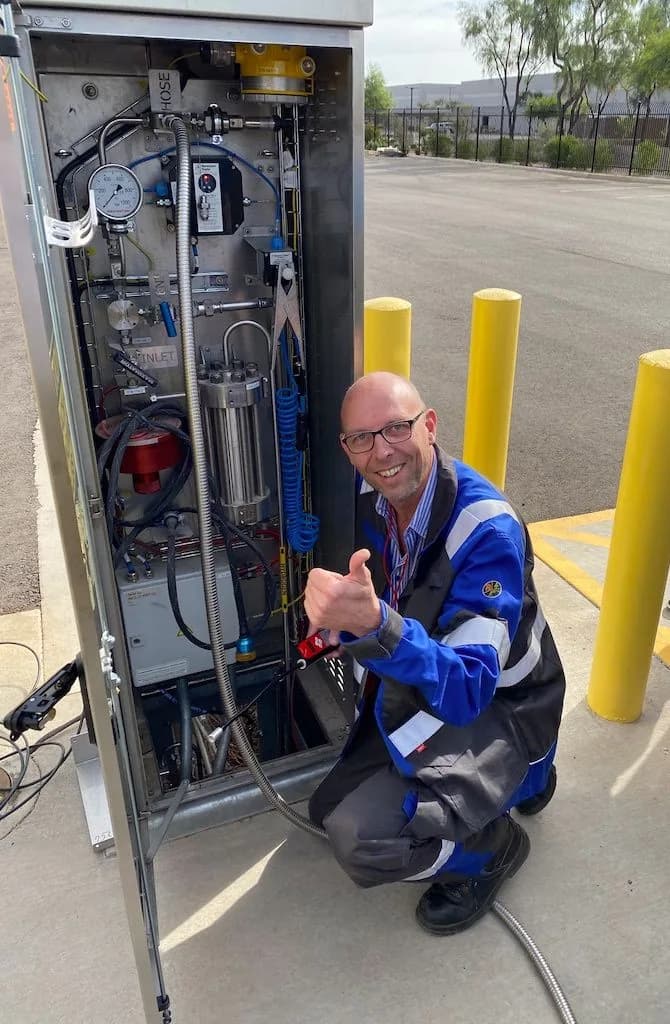
Christian Machens in a plant environment during technical work on safety-related infrastructure

Christian Machens

Expert knowledge becomes a repeatable workflow.

HAIZOP is grounded in practical experience from HAZOP workshops, plant planning and technical risk assessment. Christian Machens contributes that experience to the professional direction of the platform. The focus is a digital workflow that makes expert knowledge structured and usable for project teams.

  • Practical HAZOP experience translated into product logic
  • AI support with a mandatory review gate
  • Traceable decisions instead of loose PDF archives
  • Compliance-aware documentation without automatic approval promises