

01
Chemicals
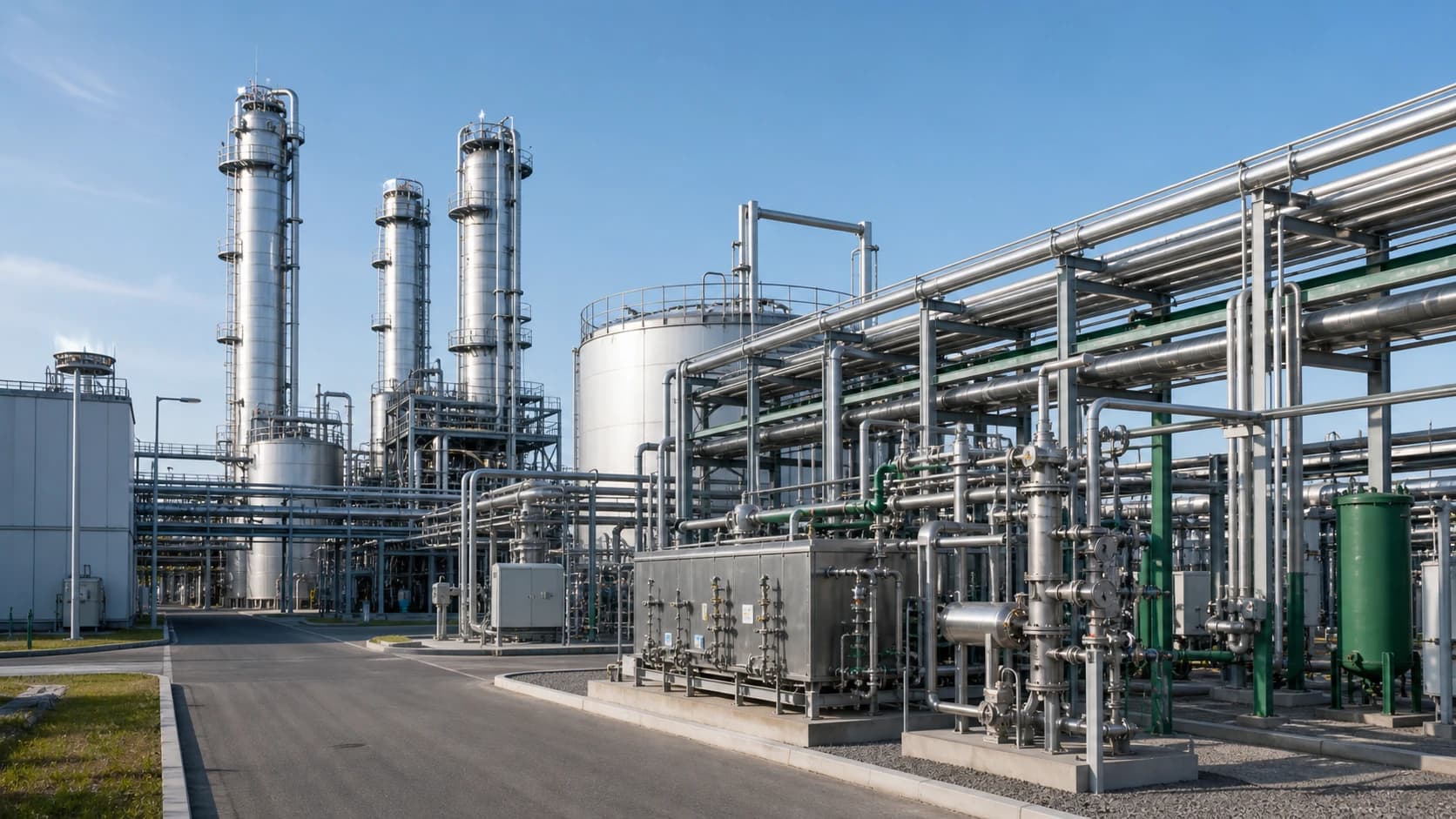
Upper- and lower-tier establishments: systematic hazard analysis for safety reports, operation and later changes.
Seveso III · BetrSichV · TA Luft

Solutions
The same plant is often subject to several sets of rules at once. HAIZOP helps connect deviations with industry context and relevant regulations — including scenario-specific citations where available.
Built for real process industries.
HAIZOP is built for plants where functional components such as valves, pumps, sensors and tanks are connected with utilities, water or energy infrastructure. The method remains consistent even when the industrial context changes.
[ 02 ] Product demo
Guided walkthrough · 41 minutes
Christian Machens walks through a complete HAIZOP workflow: from the project dashboard and configurable risk matrix to document context, plant data and the analysis of a P&ID.
Using a nitrogen supply system, the video shows how a selected plant area becomes a HAZOP node, how the team reviews deviations, causes, consequences, safeguards and risk ratings, and how the result is exported as a traceable report. The software accelerates preparation and workshops; professional assessment and approval remain with the HAZOP team.
The video loads from YouTube only after your click and plays directly on this page.
[ 01 ] By industry
Where HAIZOP is used
Upper- and lower-tier establishments: systematic hazard analysis for safety reports, operation and later changes.
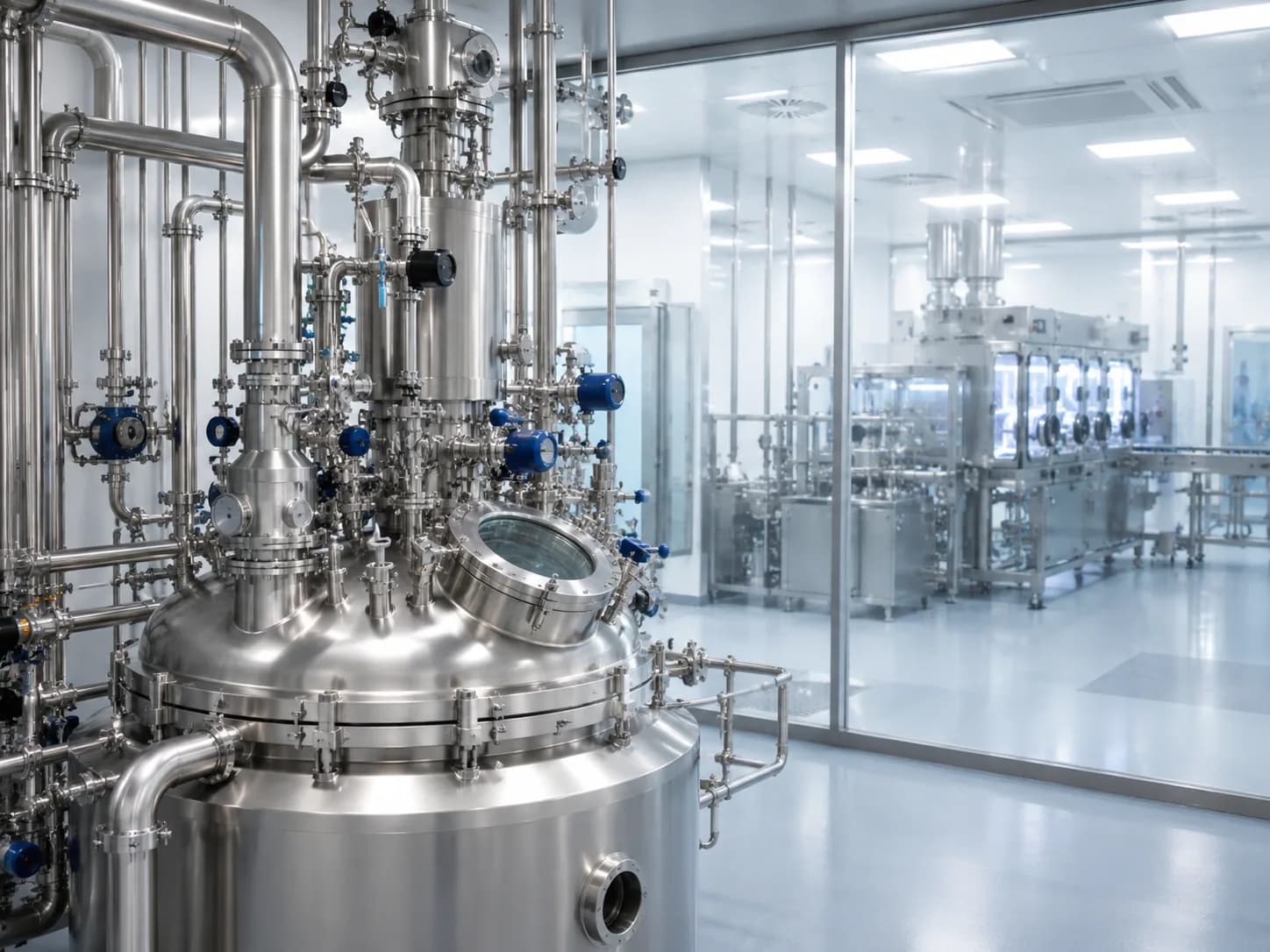
Sterile processes, contamination scenarios, cleanroom technology — HAZOP in the GMP context with traceable documentation.
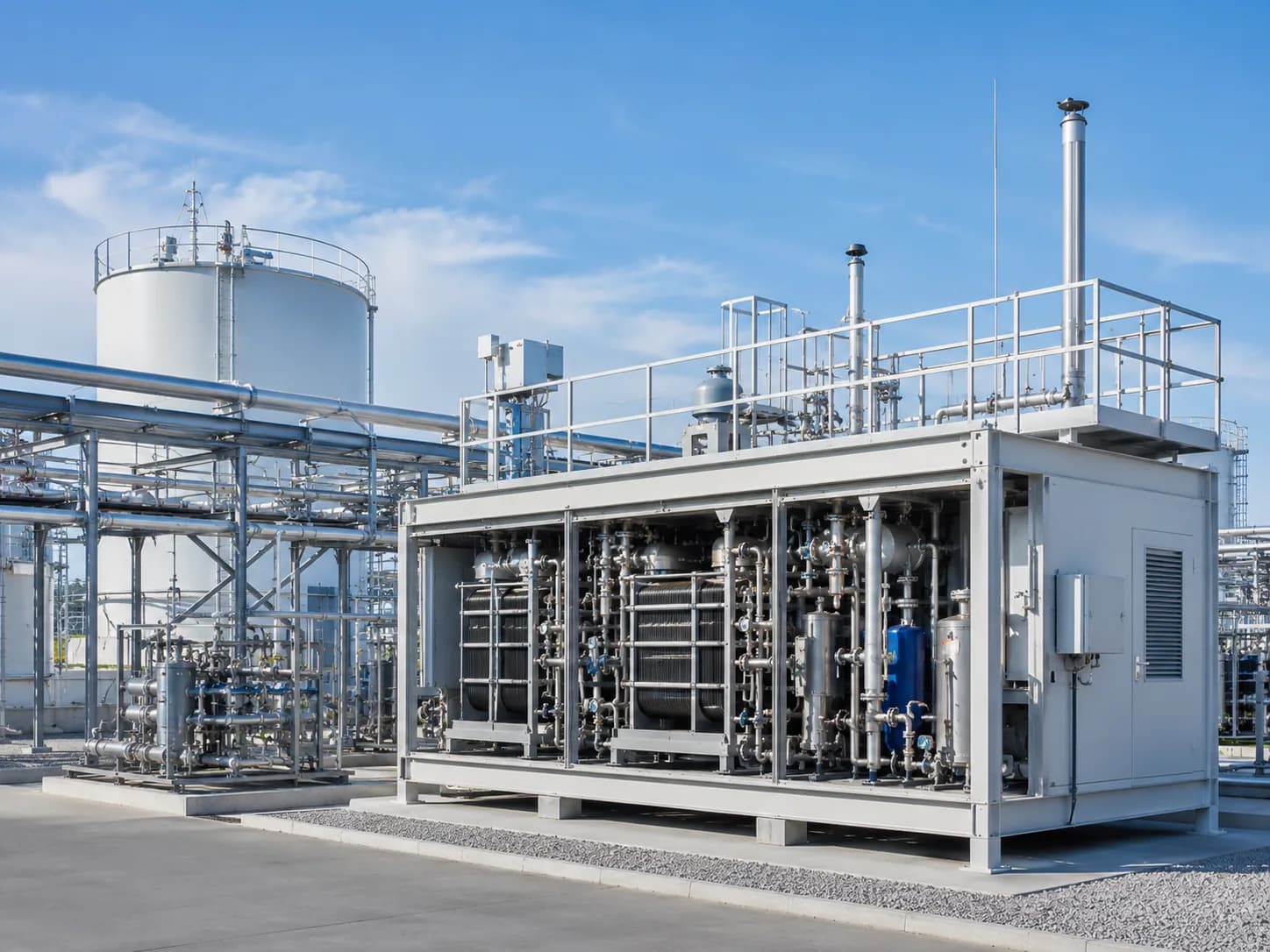
PtX-specific equipment context for electrolysers, fuel cells, methanation, CO₂ capture and ammonia crackers — with a focus on emerging hazard scenarios.

Established HAZOP culture, large plants and many interfaces between process, operations and maintenance. HAIZOP structures scenarios and decisions for later traceability.
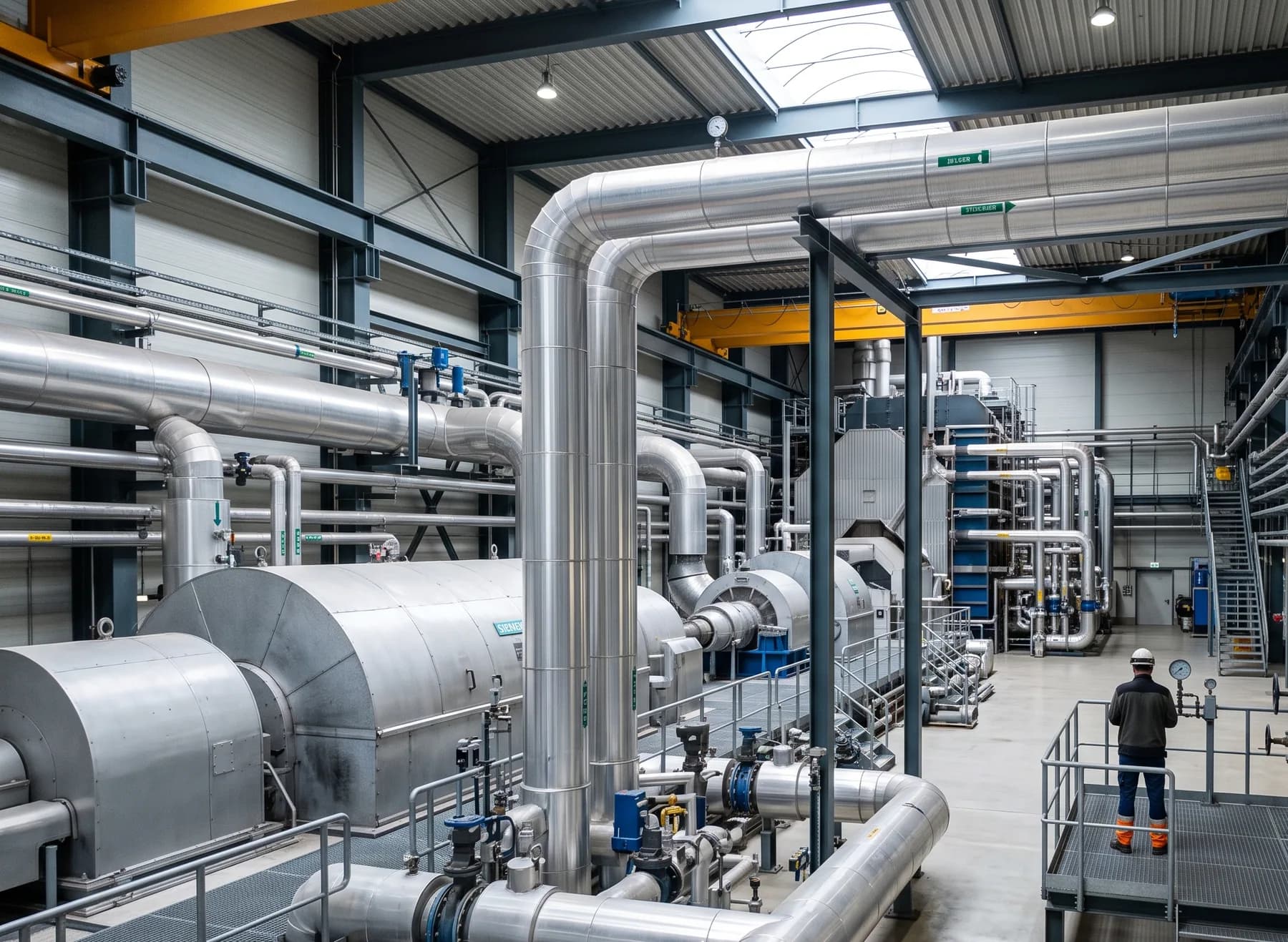
Power plants, district heating and plants in transition. Turbines, boilers, condensate systems and grid infrastructure can be reviewed with matching equipment context.
[ 03 ] License models
Suitable for
For a small, clearly defined HAZOP team.
Suitable for
For a small, clearly defined HAZOP team.
Suitable for
For several contributors and reviewers with broader participation.
Suitable for
For larger organizational units or sites.
Suitable for
For enterprise-wide or regulated rollouts.
User quotas and contract terms are agreed individually in the proposal.
User quotas and contract terms are agreed individually in the proposal.
The administrator is an organization role. Engineer, reviewer, and viewer are project roles. Administrators may also hold project roles. Every assigned role occupies one place in the corresponding role quota.
The administrator manages the customer organization. They create projects, manage users and project roles, define access rights, and maintain the knowledge base. The first administrator may grant further administrator rights within the booked quota. The administrator role itself does not include technical work on the HAZOP analysis; a project role may be assigned in addition.
The engineer is the central working role in HAIZOP. In assigned projects, they can manage documents and nodes, edit the plant questionnaire, start AI analyses, edit HAZOP content, accept or reject suggestions, and generate reports. Chatbot access is enabled by the administrator.
The reviewer supports technical review within enabled projects or nodes. They can view and comment on HAZOP results, participate in team discussions, and use the chatbot once enabled. They cannot start AI analyses, accept or reject suggestions, or generate reports.
The viewer has read-only access to projects, nodes, and content enabled by the administrator. Depending on their permission, they can view documents, reports, comments, and team discussions or download enabled files. They cannot edit or comment on content, start AI analyses, or use the chatbot.
The administrator is an organization role. Engineer, reviewer, and viewer are project roles. Administrators may also hold project roles. Every assigned role occupies one place in the corresponding role quota.
The administrator manages the customer organization. They create projects, manage users and project roles, define access rights, and maintain the knowledge base. The first administrator may grant further administrator rights within the booked quota. The administrator role itself does not include technical work on the HAZOP analysis; a project role may be assigned in addition.
The engineer is the central working role in HAIZOP. In assigned projects, they can manage documents and nodes, edit the plant questionnaire, start AI analyses, edit HAZOP content, accept or reject suggestions, and generate reports. Chatbot access is enabled by the administrator.
The reviewer supports technical review within enabled projects or nodes. They can view and comment on HAZOP results, participate in team discussions, and use the chatbot once enabled. They cannot start AI analyses, accept or reject suggestions, or generate reports.
The viewer has read-only access to projects, nodes, and content enabled by the administrator. Depending on their permission, they can view documents, reports, comments, and team discussions or download enabled files. They cannot edit or comment on content, start AI analyses, or use the chatbot.
Only the information in the individual proposal is binding.

[ 03 ] Questions
It depends on the plant type and substance inventory. Plants subject to monitoring under BetrSichV, establishments under Seveso III and plants in explosive atmospheres under ATEX are subject to different obligations. HAIZOP helps link deviations with relevant citations — the legal classification stays with you and your specialist advisors.
Yes. HAIZOP includes PtX-specific equipment context such as electrolysers, fuel cells, methanation reactors, CO₂ capture, ammonia crackers and membrane separation — with their typical failure modes and safeguards.